Bachelor in City and Regional Planning
Last Updated:
Bachelor in City and Regional Planning
The undergraduate program in City and Regional Planning educates planners who can understand cities and regions as complex socio-spatial systems and translate that understanding into responsible, creative, and implementable planning and design proposals.
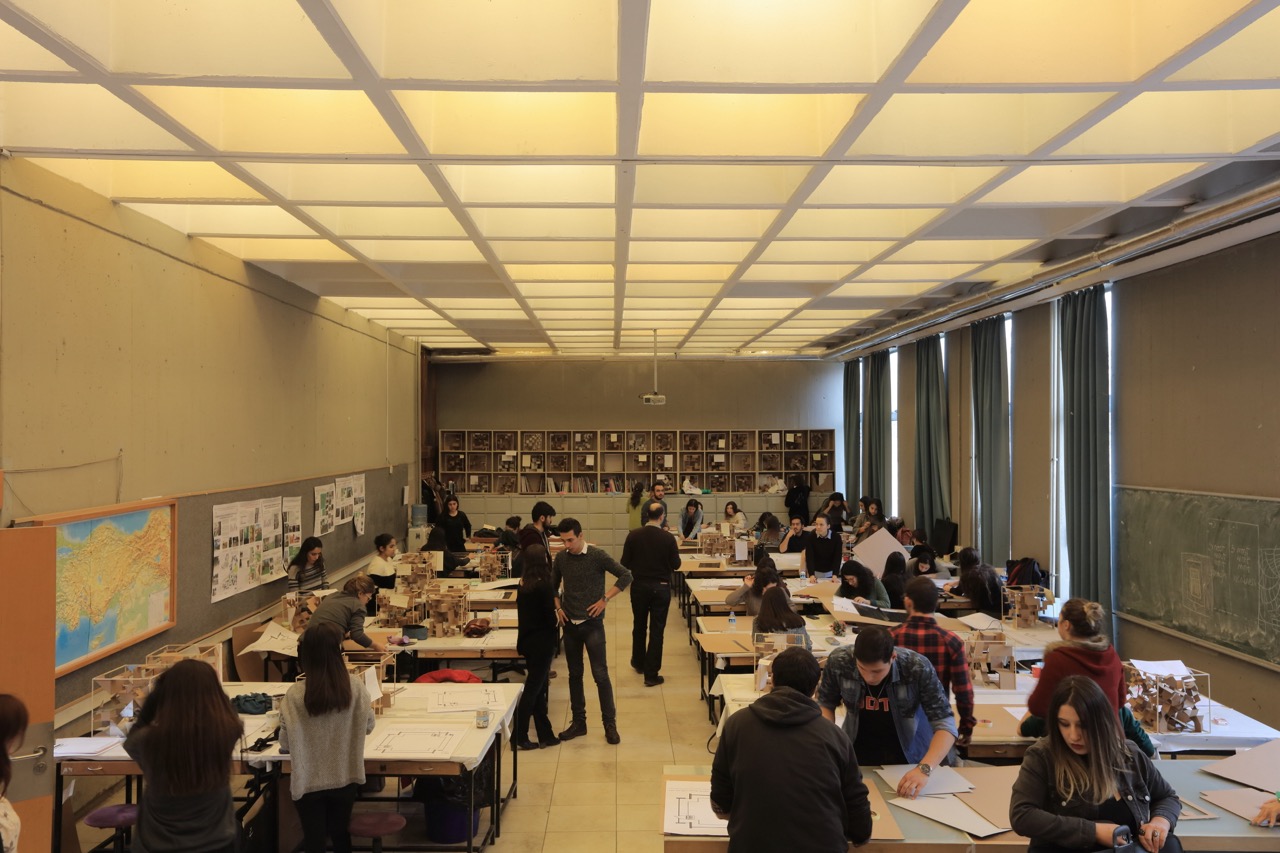
The curriculum is organized around three interconnected pillars: Planning studios, theoretical, methodological, and technical coursework, and elective courses. Studios constitute the program’s core professional learning environment, where students combine spatial analysis, fieldwork, stakeholder engagement, and design thinking to develop plans, policies, and spatial strategies. Supporting courses deepen understanding of urban and regional dynamics, including socio-economic change, land and housing, mobility and infrastructure, environmental systems, risk and resilience, and governance and institutions. Students also build competencies in quantitative and qualitative analysis, spatial data and GIS, and evidence-based planning.
Electives, offered from the third year onward, further strengthen theoretical grounding, technical skills, and the program’s interdisciplinary character, enabling students to pursue focused pathways. Elective options are structured in four modules: Urban Policy; Urban and Regional Economic Development; Urban Design; and Environment, Infrastructure, and Transport Planning.